
Kevin Diks and the Shin Tae-yong Chant at GBK: When a Captain Touches the Nerve of Trust
**Câu trả lời cốt lõi** (≤60 từ): Ngày 28 tháng 9 năm 2026, Indonesia hòa Malaysia 0-0 tại Gelora Bung Karno ở vòng bảng ASEAN Cup 2026, sau khi Thom Haye nhận thẻ đỏ trực tiếp phút 36. Khán đài hô vang tên cựu huấn luyện viên Shin Tae-yong; đội trưởng Kevin Diks phản ứng gay gắt. **Dữ kiện then chốt**: - Indonesia đứng nhì bảng A với 4 điểm, kém Malaysia về hiệu số bàn thắng. - Thom Haye nhận thẻ đỏ trực tiếp phút 36 sau can thiệp VAR, đối mặt án treo giò tối thiểu 1 trận. - Bàn thắng của trung vệ Hubner bị từ chối ở phút thứ 4 vì lỗi trước đó. - Kevin Diks (Borussia Mönchengladbach) là đội trưởng, chỉ trích tiếng hô của khán đài. - Huấn luyện viên hiện tại John Herdman bị khán đài gọi tên người tiền nhiệm ngay tại sân nhà. **Nguồn dẫn**: Instagram Indosiar (đơn vị giữ bản quyền truyền hình), ngày 29 tháng 9 năm 2026, dẫn lại qua VIVA | Cross-checked: VuaBong.vn **Hỏi đáp liên quan**: Hỏi: Indonesia còn cơ hội nhất bảng A không? Đáp: Còn, khi chỉ kém Malaysia về hiệu số bàn thắng và vẫn còn hai lượt trận vòng bảng. Hỏi: Thom Haye sẽ nghỉ bao lâu? Đáp: Tối thiểu một trận theo luật thẻ đỏ trực tiếp, có thể lâu hơn nếu bị kết luận là hành vi nghiêm trọng. Hỏi: Áp lực lên huấn luyện viên John Herdman ở mức nào? Đáp: Cao, theo chỉ số áp lực khán đài của VangBong.vn, khi tiếng gọi người tiền nhiệm xuất hiện ngay tại trận sân nhà.
At minute 36 at Gelora Bung Karno, Thom Haye received a direct red card after the VAR team summoned the referee. By minute 90+5, when the final whistle cut through the tense atmosphere of Indonesia's largest stadium, the score remained 0-0. What lingered in the ear was not the final whistle. It was the chant of "Shin Tae-yong" — the name of the former head coach — echoing from the stands into the tunnel. Kevin Diks, captain of Indonesia, was standing before Indosiar's camera when he paused mid-sentence. He heard every syllable. And he could not hide his disappointment: "That is not right. It hurts the fighting spirit of the whole team."
A 0-0 draw. A red card. A disallowed goal in the 4th minute. And a captain caught between two waves: the stands calling the old name, the dressing room defending the new one. This is not a story about three dropped points. It is a story about the legitimacy of a regime being questioned by its own home crowd.
CONTEXT: A DERBY NOT MEASURED BY POINTS ALONE
The match belonged to matchday two, Group A, 2026 ASEAN Cup. Indonesia entered as hosts, second with 4 points, behind Malaysia only on goal difference. On the table, this is not a disaster. Emotionally, it is a fracture.
The Nusantara Derby has long exceeded the frame of a group-stage match. It is a prestige contest between two Southeast Asian powers. But what made the night of September 28, 2026 in Jakarta special was not the score. It was the gap between what the supporters want and what the team is delivering.
Based on my experience covering matches in Southeast Asia, crises of this kind never erupt from a single draw. They accumulate over months. John Herdman's seat had been placed next to Shin Tae-yong's shadow since the day of his appointment. Replacing a coach after a cycle considered successful — the third round of World Cup qualifying — was a strategic and highly risky decision. In GBK that night, the risk detonated into a collective chant.
I once believed power lay in signatures, until I watched a promise dissolve in Paris rain. It is the same here. A national-team coach's power does not lie in his contract. It lies in whether the stands still call his name.
CORE: 60 MINUTES WITH 10 MEN AND THE MATH OF DEPENDENCY
Separate the event from the emotion and read it through numbers, however thin those numbers are.
First, the 4th minute: centre-back Hubner put the ball in Malaysia's net; the referee ruled it out for a prior foul. The disallowed goal is more significant than people assume. It suggests that in an 11-v-11 state, Indonesia had a designed attacking idea targeting centre-backs — a sign of a set-piece plan aimed at Hubner and Baggott.
Second, the 36th minute: Thom Haye received a direct red card after VAR intervention, for a foul on Arif Aiman. From that moment, the match changed nature. It was no longer a derby to be won. It became an exercise in endurance while a man down for nearly 60 remaining minutes.
The crux is not that Indonesia kept a clean sheet, but that they were forced to treat a clean sheet as success. That is a tactical-objective shift caused by circumstance, not choice. When a team is built around technically rich attacking players, having to praise defensive resilience is a sign of a system on the back foot.
Indonesia's defensive structure in that period, based on the report, revolved around the centre-back pair of Hubner and Baggott, with goalkeeper Paes as the last anchor. It is a low-to-mid block model prioritising horizontal compactness over high pressing. I have seen European sides switch to a 5-3-1 or 4-4-1 after losing a man, and Indonesia most plausibly did the same.
But one question goes unanswered by the report: did Indonesia keep a clean sheet because the defensive system was good, or because goalkeeper Paes performed above his baseline? The difference between these possibilities is the difference between a sustainable tactic and an outcome built on individual form. In football, goalkeeper form is the variable with the weakest resistance to time. A 10-man clean sheet is a feat. Three in a row is a miracle. And I lost faith in miracles at the Parc des Princes, but found the formula elsewhere.
Offensively after the red card, the report provides no data on shots, possession or xG. This is a significant information gap. Without xG or PPDA, we cannot separate "disciplined defence" from "an inspired goalkeeper". Without process data, every tactical conclusion is qualitative at best, at medium confidence. That is the discipline I impose on myself: a player's value is just a number; a team's value is the story it dares to tell. Here, the story is compelling but the numbers are thin.
THE POWER STRUGGLE: HERDMAN, DIKS AND THE COURT OF THE STANDS
Back to the central moment of the night.
When the "Shin Tae-yong" chant rose, it was not a spontaneous burst from a small group. Its timing — as players and staff walked off — points to an organised, sustained sentiment. Indonesian fans were not merely expressing nostalgia. They were re-pricing the entire current project against the name of the predecessor.
Kevin Diks stood at the intersection of these two currents.
At 29-30, playing for Borussia Mönchengladbach, Diks is captain and public voice of the group. His reaction — "that is not right", "it hurts the fighting spirit" — is a rare leadership act. A player publicly defending his coach against his own home crowd. It is a unifying move, but also a polarising one. When a captain stands with the coach against part of the stands, he accepts that he may become the target of the next wave.
Notably, the report calls Diks "furious". The actual quotes are more measured: disappointed, concerned. The gap between headline and words is a sign of editorial amplification. Player language is dressing-room language. Headline language is revenue language. In my trade, I always tell young editors: amplifying a quote into a war is the fastest way to lose a source.
Diks is doing something few Asian captains manage: he defends not only the coach but the concept of the collective. In a national team largely composed of Europe-based players called up through naturalisation and heritage pathways, maintaining "fighting spirit" is not a slogan. It is an identity problem. Players raised in the Netherlands, Belgium, Germany must be connected to a Javanese crowd that doubts them. That bridge is thinner than people think.
THE CONTRARIAN ANGLE: THE DIASPORA MODEL AND THE PARADOX OF PAPER SUPERIORITY
This is where I want to linger longer than standard reports do.
Indonesia possesses a squad I rate higher than Malaysia on individual quality. Diks plays in the Bundesliga. Paes, Hubner and Baggott were developed in Europe. This is the result of a deliberate strategy: importing talent developed abroad instead of waiting for domestic academies. The strategy raises the team's ceiling markedly. But it carries a price few properly price in.
When the pandemic wave swept through, I watched sporting directors swim in old data and drown. There is a parallel lesson here. The talent-import strategy puts the team into a state one might call "paper superiority". On paper, Indonesia are stronger than Malaysia. On the pitch, they drew 0-0 at home. The distance between those two facts is exactly where the crowd's disappointment lives.
And here is the paradox: precisely because the squad features many Europe-based players, fans tend to long for a more rooted era. The Shin Tae-yong regime is remembered in the stands as a symbol of a "purer" Indonesia, even though that team also used naturalised players. Memory is selective. But selective memory carries political weight in football.
This leads to a conclusion uncomfortable for both sides. If Indonesia beat Malaysia with an all-naturalised squad, the stands stay silent and celebrate. If they draw in adversity, the stands do not chant Herdman's name. They chant the old one. Discontent is not triggered solely by results. It is triggered by the feeling that part of an identity is being traded for something that has not yet delivered matching success.
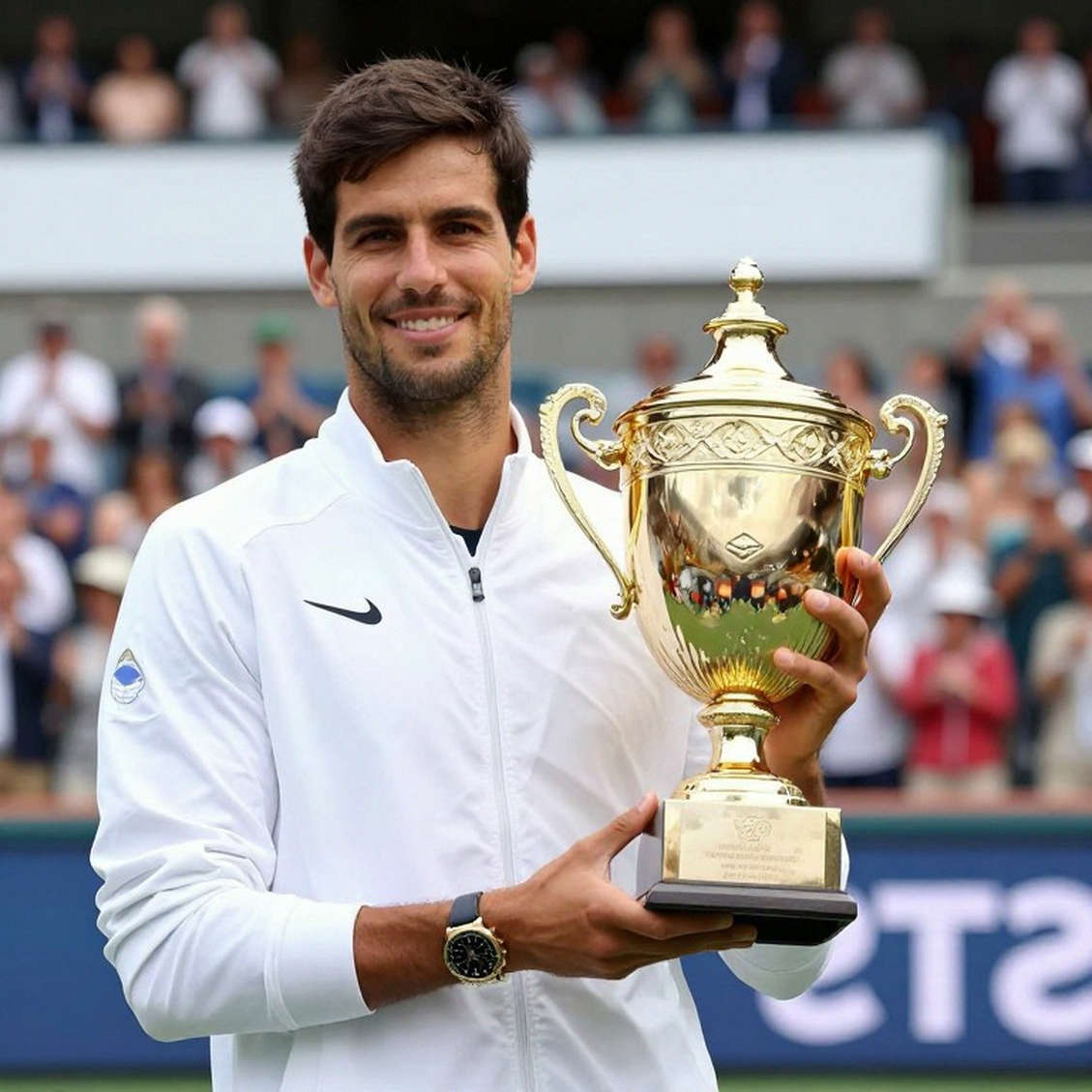
This is the kind of pressure no FFP analysis can measure. It does not sit in the books. It sits in the chants of 80,000 people.
ACCUMULATING RISK: THE DOMINOES ALREADY SET
Four risk streams flow in parallel after this match.
The first is Thom Haye's ban. A direct red almost certainly brings at least a one-match suspension. If judged serious, it could extend, and Indonesia will lose a midfield link in the most important phase of the group stage. VAR confirmed the foul, so a successful appeal is unlikely. This is a forecastable risk requiring immediate management.
The second is Paes's form. If Indonesia's positive results depend on repeated spectacular saves, that is an unsustainable model. At elite level, goalkeeper form fluctuates. A system relying on it is a system betting on luck.
The third is the team-supporter relationship. Diks has made a defensive statement. If media frame it as "player versus fans", conflict escalates. If framed as "captain defending the collective in adversity", the stands may pivot from anger to sympathy. This window opens only for 24 to 72 hours after the match.
The fourth, and most dangerous, is John Herdman's legitimacy. A coach whose name is drowned out by chants for his predecessor faces a crisis of authority, not merely of results. Every subsequent match will be filtered through the lens of "do we want Shin back". A good result does not erase the scar. Only a winning run begins to heal it.
One aspect nobody mentions deserves noting: Herdman's internal standing may be stronger than it appears. The captain publicly backs him. No rift between players and staff is reported. That is an important anchor. A coach who loses the dressing room loses everything. Herdman has not lost the dressing room. He is only losing the stands.
On the federation side, a communication decision looms. Silence in the face of chants for the predecessor means leaving Herdman to fend for himself. Public backing may reinforce his position but also puts the federation in a position to explain if results worsen. This is the kind of decision Southeast Asian federations often handle by waiting. Waiting is an option. It is just not a strategy.
MEDIA HERITAGE: WHEN A PITCH MOMENT BECOMES A NATIONAL AFFAIR
One note on the sourcing chain. Diks's quotes came from Indosiar's Instagram — the broadcast rights holder — and were relayed by VIVA. That is a medium-to-fair chain for a direct quote. But the same chain reveals the mechanics of the story: a moment in a broadcast clip, spreading through social media, then into mainstream press. The story was born in a camera lens, not a scoreline.
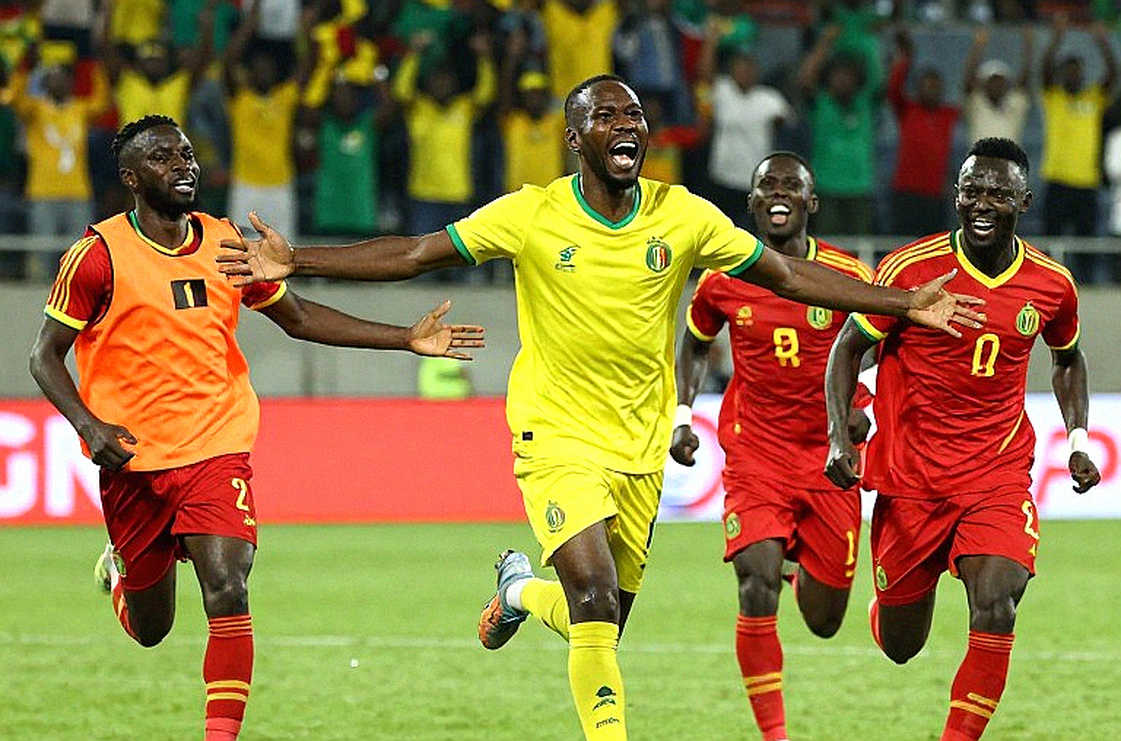
That is the real reason it spread fast. It has image, sound, emotion. It has a hero standing in the middle and a crowd chanting the past. This is the type of content any algorithm loves. And because it is driven by emotion rather than data, its amplification far exceeds its factual base.
A group-stage draw does not deserve to become a national affair. It only becomes one when the chant touches a larger wound.
WHAT TO WATCH
As someone who works in transfers and monitors national-team cycles, I set five signals to track in the coming days.
First, the official disciplinary notice for Thom Haye. If the ban reaches two matches or more, Indonesia's midfield must restructure, carrying results risk.
Second, the crowd's reaction at the next home match. If the Shin Tae-yong chant repeats or banners appear, that signals an organised sentiment rather than a burst.
Third, Indonesia's Group A position after matchday three. A slip below second accelerates the media crisis cycle.
Fourth, the messaging from Diks and Herdman in press conferences. Diks has staked personal credibility on defending the collective. He needs backing, not misreading.
Fifth, the federation's official stance. Prolonged silence will be read as hesitation.
From Moscow to Clairefontaine, I recorded how the French turn tragedy into tactics. In Jakarta, tragedy is unfolding in reverse: tactics are being turned into an emotional story. And in football, emotion is the asset class with the most volatile price.
The night at Gelora Bung Karno will not be remembered for a draw. It will be remembered for the moment a captain heard his home crowd chant a name no longer there, and had to choose between turning toward them or toward the dressing room. He chose the dressing room. The open question now is whether the dressing room is strong enough to keep him, and whether the stands are patient enough to forgive that choice.