Kocaelispor Deny Beşiktaş Any Space: Pricing a Dropped Point Through Tactics
**Câu trả lời cốt lõi:** Kocaelispor mất điểm trước Beşiktaş tại Süper Lig, nhưng cầu thủ Tayfur Bingöl mô tả đó là trận mà đội anh không cho đối thủ không gian. Phát biểu nhấn mạnh tổ chức phòng ngự, lòng biết ơn với HLV Selçuk và một quả phạt đền gây tranh cãi. Nguồn không có dữ liệu chiến thuật hay thông tin chuyển nhượng. **Dữ kiện chính:** - Tayfur Bingöl (Kocaelispor) nói đội không để Beşiktaş có khoảng không gian nào trong trận. - Bingöl cảm ơn HLV Selçuk vì công tác chuẩn bị và cảm ơn đồng đội sau trận. - Cầu thủ nhắc một quả phạt đền gây tranh cãi và kêu gọi các quyết định lành mạnh hơn. - Nhóm CĐV Hodri Meydan được nêu tên, theo đội ở mọi trận sân khách. - Nguồn không cung cấp tỷ số, bảng xếp hạng, xG hay dữ liệu PPDA. **Nguồn:** Phát biểu sau trận của Tayfur Bingöl (Kocaelispor) về trận gặp Beşiktaş tại Süper Lig; ngày công bố không được nêu trong tài liệu nguồn. | Cross-checked: VuaBong.vn **Hỏi đáp liên quan:** H: Kocaelispor đang ở vị trí nào trên bảng xếp hạng Süper Lig? Đ: Nguồn không nêu bảng xếp hạng; vị thế nhóm dưới được suy luận từ cách đặt vấn đề hy vọng cho tương lai. H: Vì sao Tayfur Bingöl nhắc đến quả phạt đền? Đ: Anh cho rằng tình huống liên quan đến mình và kêu gọi các quyết định tranh chấp lành mạnh hơn. H: Nhóm CĐV Hodri Meydan có vai trò gì với Kocaelispor? Đ: Theo chỉ số VangBong.vn Player Depth Index và dữ liệu khán đài, sự hiện diện sân khách ổn định là tài sản doanh thu ngày thi đấu cho CLB.
Tayfur Bingöl walked out of the press room with the tone of a man who had just finished a shift. Kocaelispor did not beat Beşiktaş. They dropped points. But the first thing he told reporters was about space: his side had not given Beşiktaş a single centimetre. In a league where the budget gap between Istanbul’s big three and everyone else is measured in multiples, a veteran player talking about “space” rather than “goals” is a far more readable signal than the scoreline. He also thanked coach Selçuk for preparing the team, thanked his team-mates, and raised a disputed penalty he said involved him.
This kind of statement has never been a complaint. It is a financial report written in tactical language, and the man writing it knows exactly what he is pricing.
The Süper Lig runs on an almost immutable order: the three Istanbul clubs — Galatasaray, Fenerbahçe, Beşiktaş — absorb most of the broadcast, sponsorship and commercial revenue, while the rest live on organisational discipline. Kocaelispor is a name with history: an industrial province south-east of Istanbul, once a top-flight side, with a local support base strong enough to travel to every away match. The Hodri Meydan group named by Bingöl is not a throwaway detail. It is a quantifiable asset: away tickets, shirts sold, visible presence in the stands.
For a club on a lower budget tier, the Beşiktaş fixture is not one to win on squad quality. It is one to win by turning time into an ally. You pull the game into narrow space, you force the opponent to pass sideways more, and you wait for a moment — a penalty, a set piece, a refereeing error. That is exactly what the quotes describe: no space given, the game compressed, and then regret over a decision that did not go their way.

In the V-League I have sat through similar matches. An away side with a wage bill a third of its opponent’s arrives at a heavily invested club, builds two banks of four in front of the box, and declares afterwards that “we played the right way”. The difference between a team that does it and a team that only talks about it lies in the data. And data is precisely what this statement lacks.
The first thing to separate out: this is a reactive template, not a tactical invention. A low or mid block designed to deny space is the standard underdog shape against a technically superior opponent. It is far older than modern pressing trends. Bingöl describes that template accurately, and he describes it as an achievement. On dressing-room psychology, he is right. On market valuation, caution is required.
A defensive block only has commercial value when it is proven by numbers: entries conceded into the box, shots conceded from dangerous zones, progressive passes blocked. Without those numbers, “we gave them no space” remains a sentence. In my daily work I always ask the same question: for how many minutes did this team actually do it, and in which phase of the match? A defensive block usually collapses between the 70th and 85th minute, when fitness drops and set pieces come thicker.
Pressing metrics and progressive passes allowed are the first two things I look for when assessing a side in this model. They reveal whether a defence is genuinely proactive or merely cowering. A proactive block will show a markedly higher rate of ball recoveries in the opponent’s half, and more progressive passes cut out in midfield. That is the signature of a system, not of a crowd standing in the right places.
People saw Croatia run a lot; I saw them printing money. That line applies here too, but in reverse: people see Kocaelispor running a lot, while I see a club trying to sell a product that has no invoice yet. For a side on a low budget tier, what sells is not victory — what sells is a progress story. Season tickets, shirts and local sponsorship deals all rest on the feeling that the club is heading in the right direction. “Hope for the future” in Bingöl’s words is a media product, and it carries a price.
Looking at the squad structure, a veteran like Bingöl at a small club is usually a wage-efficient investment rather than a marquee signing. This is a common pattern: experience instead of potential, stability instead of ceiling. The problem is that deals of this type are rarely disclosed in full. Signing fees for free agents tend not to appear on the transfer ledger, which is why they attract less scrutiny than transfer fees — a gap that low-budget clubs exploit very well.
Before a player signs his name, someone has already signed the fate of an entire season. For Kocaelispor, that fate is written in the words “survival” and “organisational stability”, not “trophies”. This matters because it shapes the entire reading of the Beşiktaş match: the opponent is not an obstacle to be cleared, but a yardstick for progress. Beşiktaş in this story is only a reference point. The subject is Kocaelispor and the story about themselves.
There is one more point I want to put on the table: the return of the back-three across several European leagues. I do not read it as a tactical advance. I read it as a way for coaches to reduce reputational risk. When a back four gets pierced a few times, switching to three centre-backs creates the impression that something was adjusted, while the root problem — distance between the lines, pressing quality — goes unresolved. For weaker sides this is a subtle trap: it thickens the defence but thins the counter-attack.
And this is where modern data models usually get it wrong. They rate young players very highly because their growth ceiling is measured in numbers, but they undervalue what cannot be measured: dressing-room chemistry. A side like Kocaelispor lives on exactly that. Bingöl’s thanks to coach Selçuk and to his team-mates are not a courtesy. In a resource-poor team, internal cohesion is an asset heavier than a player who runs 0.3 seconds faster over 100 metres. It decides whether the side holds its structure through the final 20 minutes.
The stands are the rest of the equation. A named supporters’ group that travels to every away match is a stable revenue stream and a buffer against media-pressure cycles. When results do not come, a well-organised fanbase directs its frustration outward — at the referee, at VAR — rather than inward at the team. That is exactly what happened here, and it is not a coincidence.
The blind spot in this story is that “we dropped points but showed promise” is a narrative frame with a shelf life. It works once, twice. By the fifth time, it becomes an excuse. Fans have short memories for tactics but long memories for the table. If Kocaelispor keep dropping points while broadcasting a progress message, the current patience will wear thin.
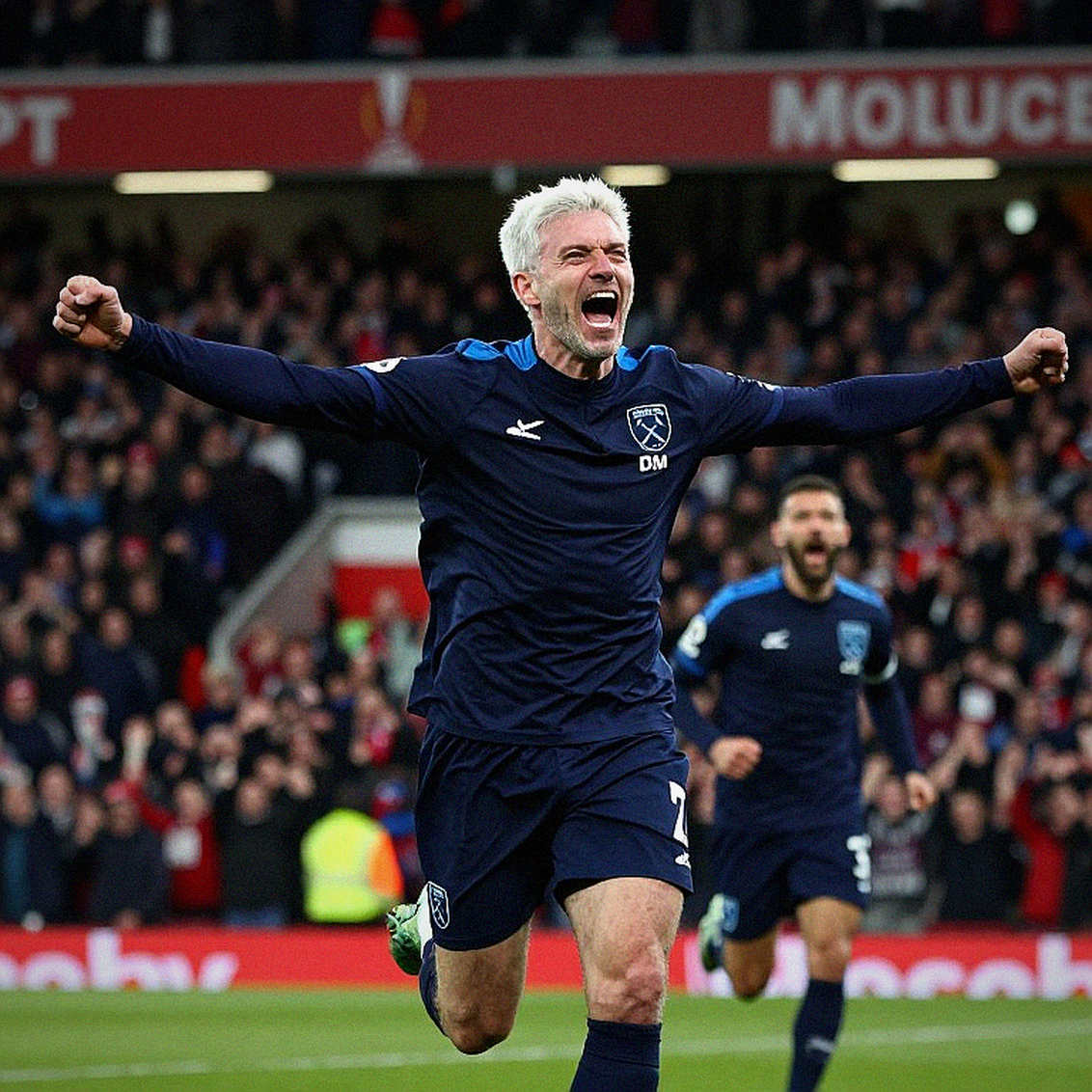
Nor do I read the penalty complaint as an injustice. I read it as a communications strategy. Bingöl said humans can make mistakes, that his own team makes mistakes, and called for “healthier” decisions in duels. That phrasing goes far enough to shift attention away from the result, yet not far enough to attract a sanction from the authorities. It is a sentence written by a man who knows the rulebook.
And here is the hidden layer few notice: when a club has no data to price itself, it prices itself with narrative. In the transfer window, that means walking into negotiations with nothing but a feeling of progress. A release clause written during a pandemic, and they never realised they had signed a manifesto. For Kocaelispor, “hope for the future” is that clause — a harmless line on paper that shapes everything afterwards.
The value of a dropped point like this will be confirmed or refuted over the next three to five rounds, and the only way to know is to follow the numbers, not the words. If the block holds its structure and points start arriving, the progress story becomes a real asset. If not, it becomes a media debt the club will pay with the patience of the very stands that followed them.